
Meet the Designer: Casper
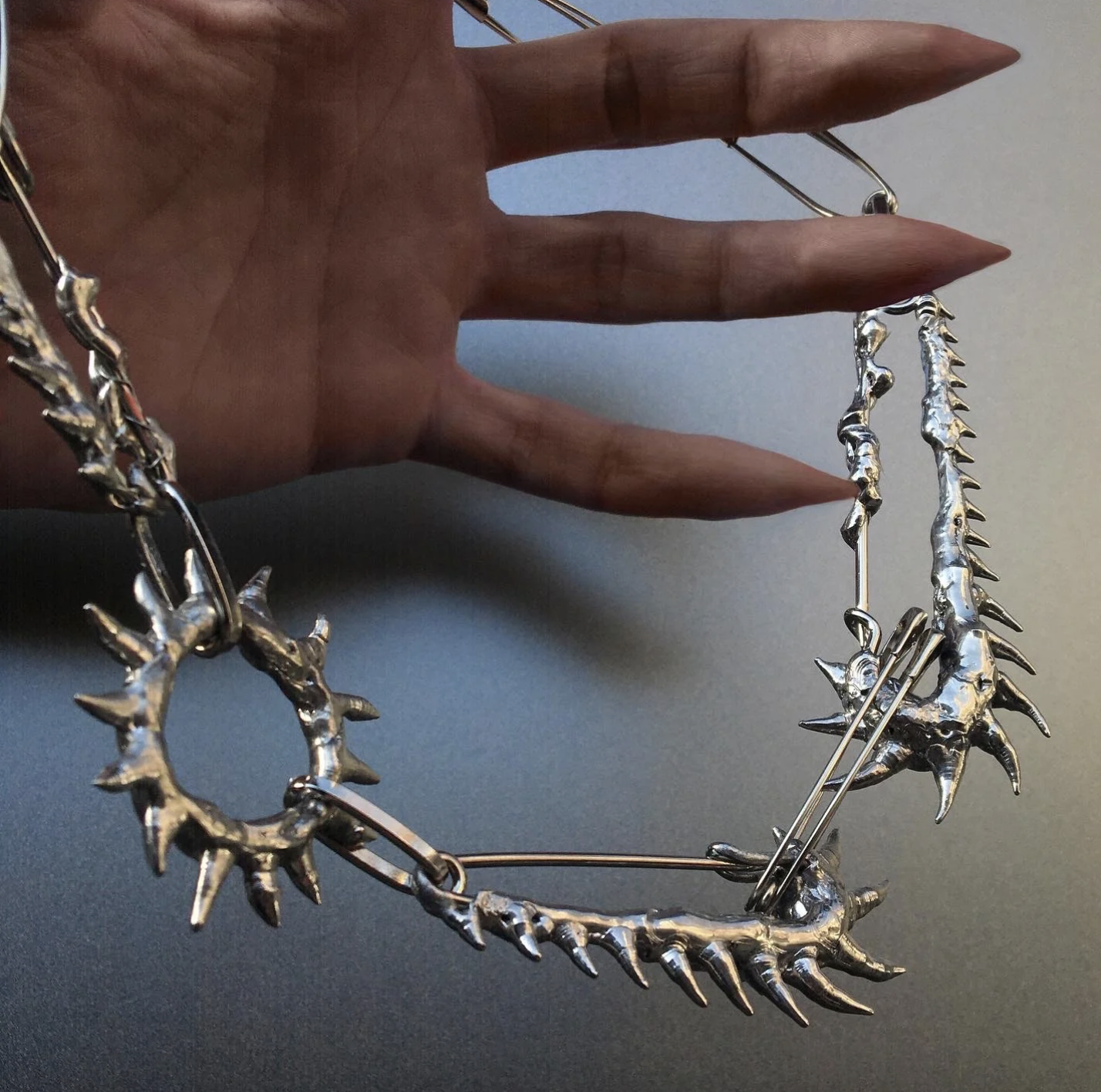
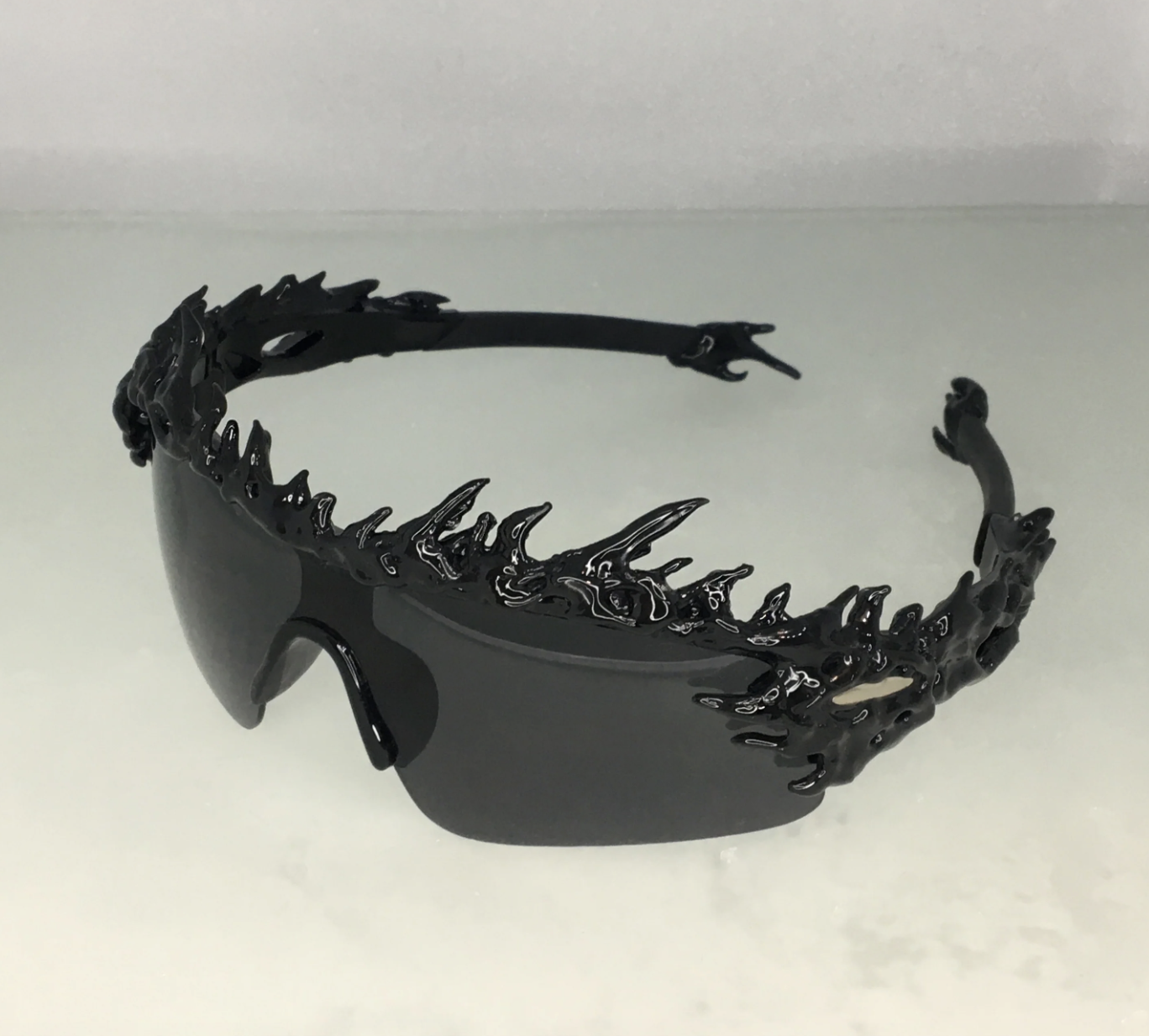
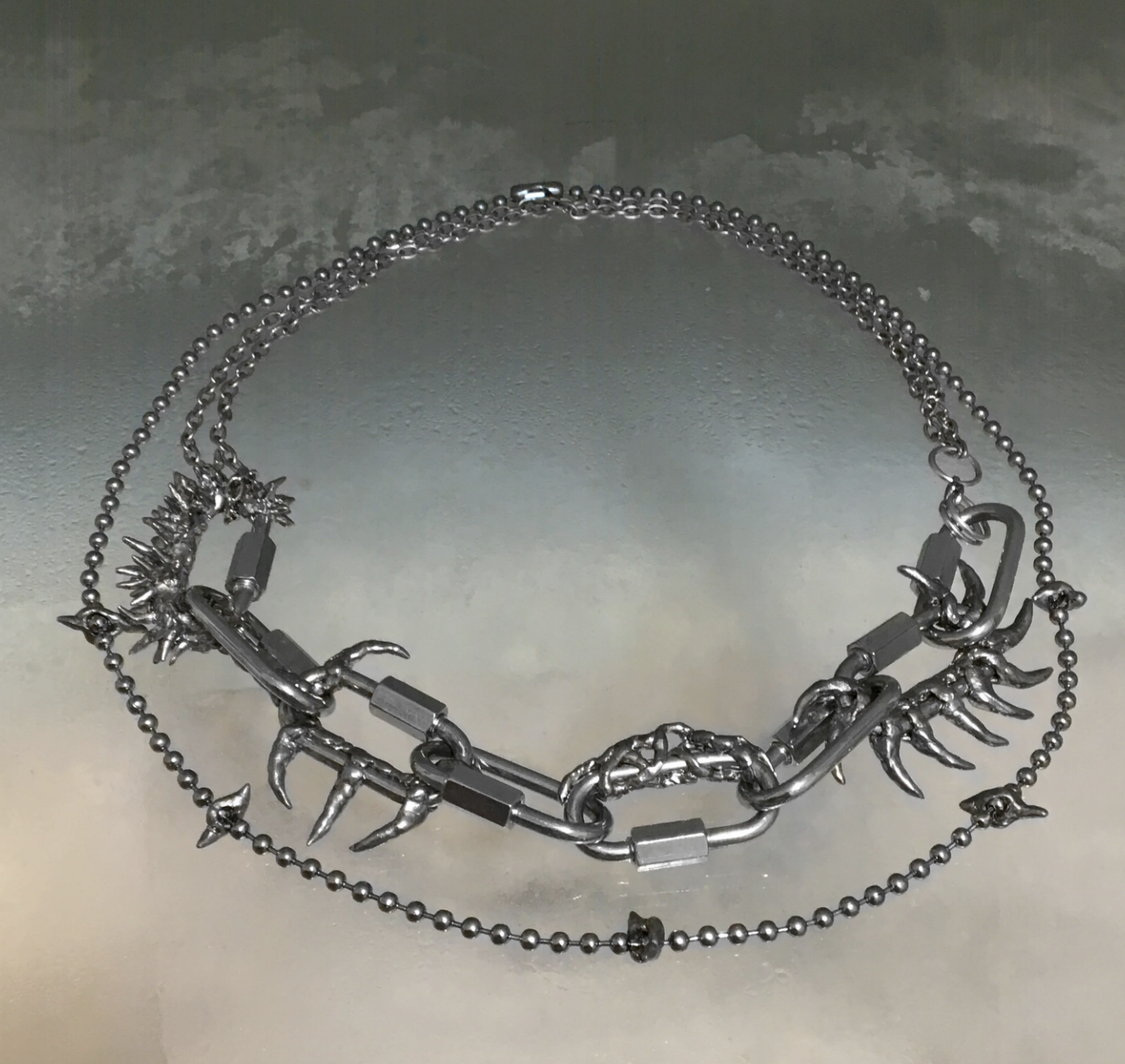
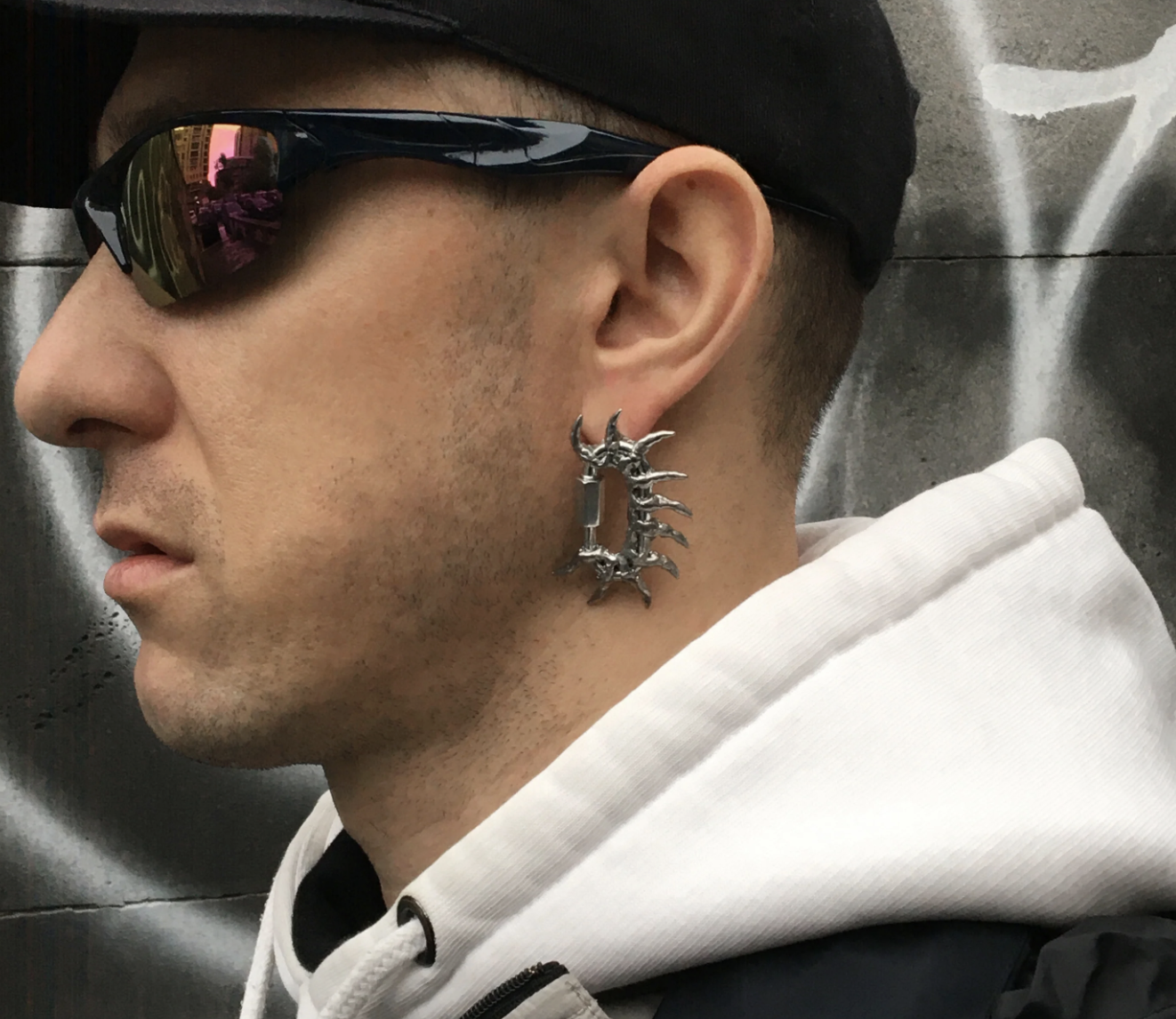
One of Ap0cene’s biggest goals is to provide transparency in the emerging fashion industry, showing where the products we sell come from and the designers we support with our platform. The first of the designer interviews highlights Casper, the brainchild of life and business partners Denis and Sasha, focusing on handmade subversive accessories made of upcycled and nontraditional materials.
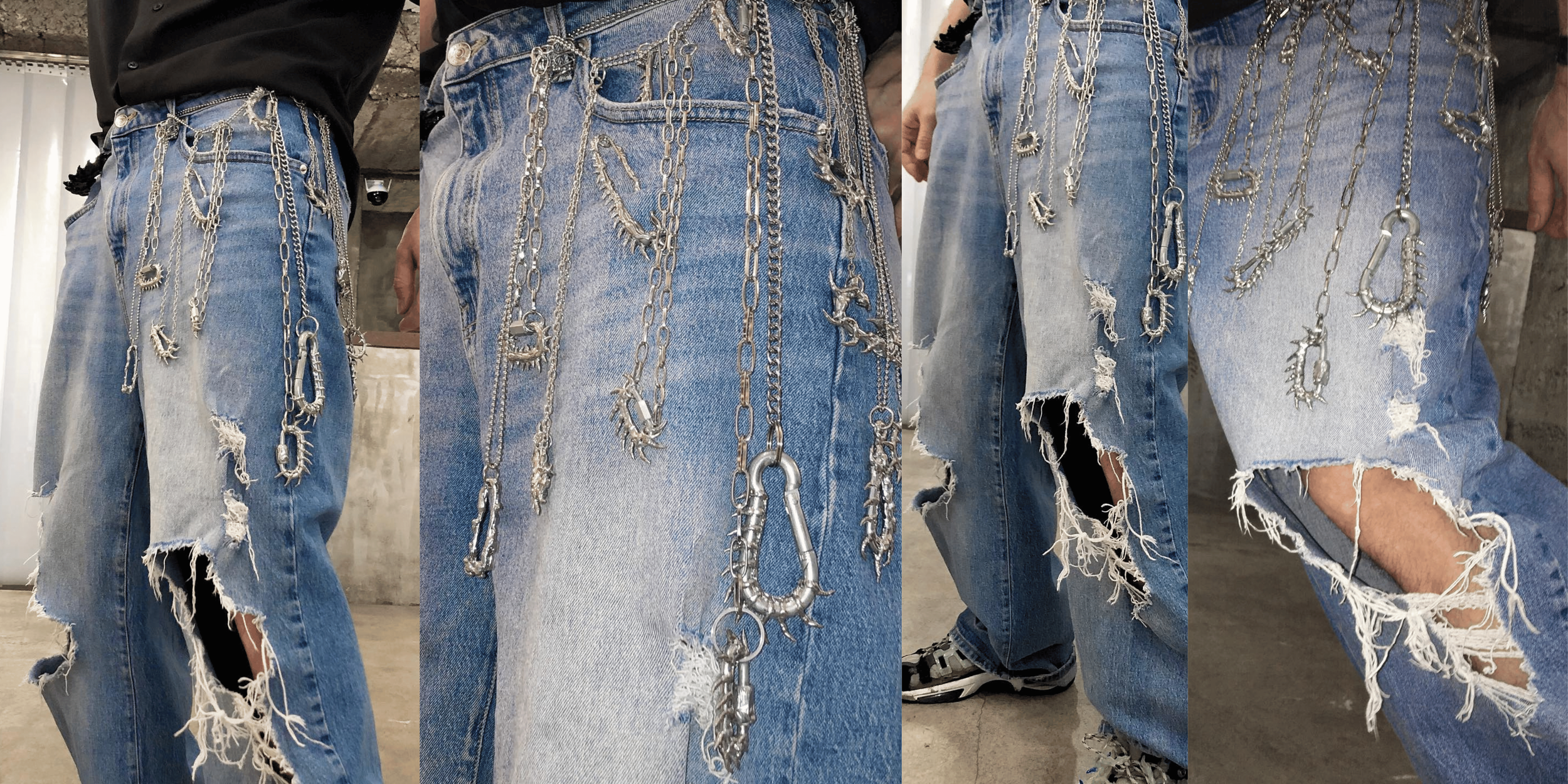
Casper’s works are mainly inspired by modern science fiction and fantasy movies, as well as digital art and underground fashion. Their work combines the aesthetics of bionic, cybernetic, and alien with everyday pieces. Casper gives new life to common things such as carabiners, watches, glasses, lighters, flash drives, spinners, and sneakers. Then the upcycling process begins, utilizing various materials such as steel, tin, silver, polymer clay, even hot glue and gel nail polish. Below, we ask Casper about their inspiration, insight into their brand, and plans for the future.
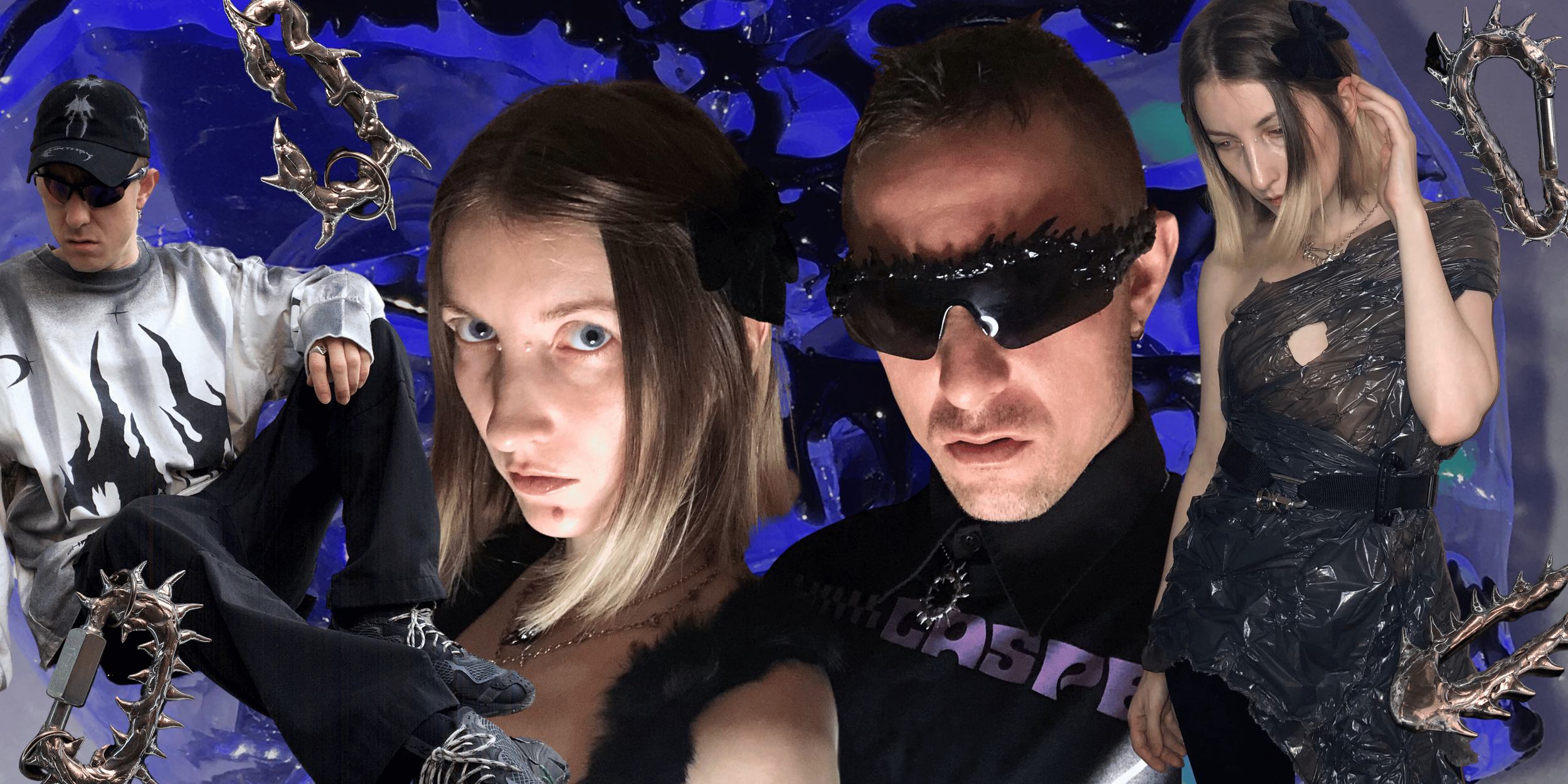
Tell us about your life story.
Denis: My name is Denis. I was born into a family of geologists in the mid-80s. I spent my childhood in a small town in the hinterland of Russia - and it was a joyful, carefree time. I didn't do well at school and was actually a bit of a hooligan, but I succeeded in many sports. I became interested in clothing customization at age 10, breakdancing and professional table tennis at 12, and esoteric practices at 14. These were probably the four most significant things for me in my youth. My mom and grandmother taught me to sew and knit, and as a child, I made money by knitting sweaters with Disney character graphics. Over the next 15 years, I remade and customized things for myself and to sell. This passion determined the further direction of my development.
After I finished school, I moved to the capital, graduated from two institutes, and received diplomas that weren’t useful for me later. Along with my studies, I immediately started working in the field of fashion and visual merchandising, and 8 years later I decided to open my own clothes store to sell streetwear and vintage. This hobby smoothly flowed into serious work as a fashion stylist and engaged me for 10 years. After that, I had professional burnout because of a lack of genuine creativity. So, I started a new Instagram, called myself Casper, and decided to upcycle as a hobby. Now, this creative business endeavor brings me pleasure, money, and opportunities, and I am glad that I became a designer after I gained a lot of experience in fashion.
Sasha: I’m Sasha, I was born in Moscow when the USSR was falling apart. My family had financial problems like many other people in Russia those days, and until age 7 I rarely saw my parents. I lived in a kindergarten far away from the city. Meanwhile, the country was in an economic crisis and full of criminals. Somehow Denis was unbothered by the rough, small town full of drugs and gangsters that he grew up in. This is the difference in our way of thinking. I was in constant shock my entire childhood. I later got a good education in Russia and graduated in Government Administration and Business Strategies. It turned out that I’m actually an artistic person and love fashion. I went into photography and worked as a fashion photographer for about 13 years. By that time the economy was growing and fashion photography became popular in Moscow. I also studied non-stop in different fields - art, marketing, photography, business, design, investing, PR, creativity, psychology, etc. I can’t remember a time when I was not studying.
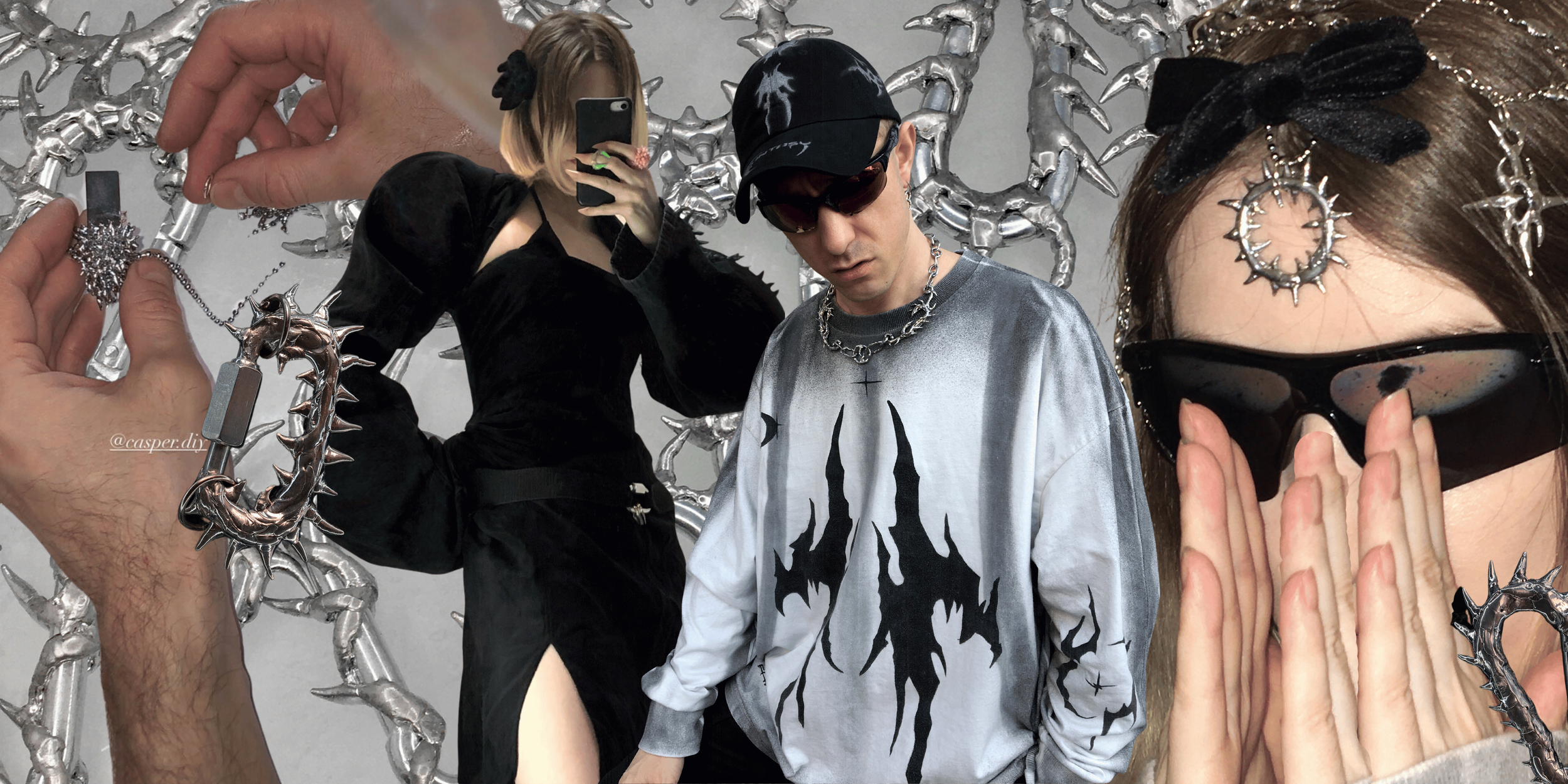
How did the two of you meet, and what motivated you to become business partners?
S: We’ve been dating for 12 years. We met when I was starting my career as a fashion photographer and Denis as a fashion stylist. Denis helped me with my career - produced photosets for me. Although after, we never worked together on creative or personal projects, because we were both leaders on a team and it always was ending in arguments. Our activities intersected after I had a successful fashion Instagram (@thats.soamazing) and I was thinking about how to monetize it, and Denis had a profitable career as a stylist that had no more space for creativity. So during the pandemic, his untapped inner creativity came out and met my visual curation.
What are your roles in the brand?
S: We each implement our strong skills in a chaotic manner. But generally, I consult on creative direction, brand positioning, SMM strategy, visual content strategy, and some PR. I like to work with information more than the real stuff. Denis experiments, crafting, material technologies, and all the design ideas. Also, he is the best at negotiating with counterparties and managing processes. He also does networking but in a different manner than me. I’m a grey eminence of negotiations and partnerships.
Do you ever disagree on things while running the business? If so, how do you resolve disagreements?
S: We have disagreements regularly. Mostly about Denis’ design versus my vision of what will be good for sales or matching the brand aesthetic. Or about brand positioning. Or about finance strategies. I am less risky, Denis is more free-flowing. Sometimes his feel of flow works, sometimes my prudence works. In the end, we both appreciate the results we create together, consciously learning from each other’s different strategies in life. So after we argue, we just get back to the negotiating table. Sometimes I make a tarot layout and it helps us to re-analyze the situation.
What were you each like as a child?
D: A wild child and “life of the party” kind of guy.
S: Silent and mostly found friendship with picture books.
What initially drew you to fashion and jewelry?
D: The magic and accessibility of it. As a child, I realized that with the help of clothes and accessories, you can transform yourself and become more spectacular. And a little later - that you can dress other people and earn money by having taste and visual experience - and you don't have to have a diploma from a fashion institute for this.
S: The world around me seemed to be boring and ugly. Fashion is the only sphere that got me excited. Overdressed parties and different combinations of moods and imagery made me feel alive.
What does a day in the life look like for you?
D: In the morning, I make orders at home and send parcels to customers. Sasha usually walks; she likes to drink coffee outdoors, talk to a lot of people, or watch social nets. Some days she customizes garments for our current lookbook. Sometimes I see her doing yoga or listening to lectures too. We often work together on content, taking pictures and planning, corresponding with concept stores, discussing strategies, and making decisions. In the evening I'm back to my table and experimenting with new designs. Sasha also works on her own projects. But there are other days when we just have fun and enjoy ourselves.
What is your biggest goal in life?
D: I haven't defined any one specific goal yet - but I'm sure it will be clear to me soon. I definitely want to be happy every day, financially secure, do what I love, and never sit still.
S: To be relaxed and precisely in my place. I have a huge amount of desire for self-realization in different spheres. Besides fashion and business, I am also interested in body psychology and spiritual practices. Maybe I will balance these all somehow.
For all the creatives seeking a compatible business partner, what would you say is the most important quality to look for?
S: It’s the absence of a partner LOL. In other cases, you will be obliged to work hard to grow individually, developing your personality. For me, both partners must be highly constructive - one side is not enough. To have empathy, to try the partner’s way of thinking, and to be able to hear, be open, and dissect your ego are all important traits.